
Table of Contents
Deciding whether to renovate a property before putting it on the market can be one of the most important decisions homeowners make during the selling process. While repairs and improvements may increase a home’s appeal, they also require time, money, and careful planning. For some sellers, investing in renovations can lead to a better selling price. For others, selling a house as-is may be a more practical and financially sensible option.
Before committing to expensive home improvements, homeowners should evaluate their property’s current condition, the local real estate market, their financial situation, and their selling timeline. Understanding the potential benefits and drawbacks of both approaches can help sellers make an informed decision.
Understanding the Difference Between Renovating and Selling As-Is
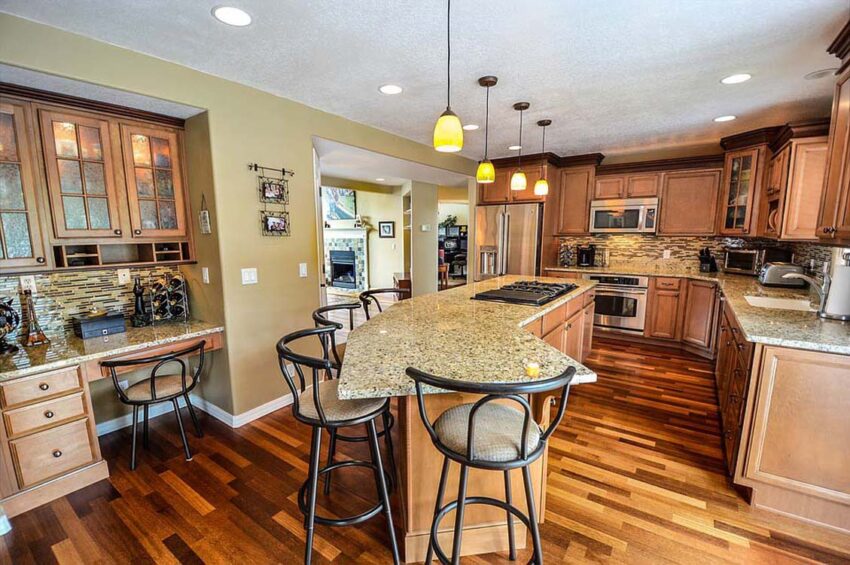
Renovating before selling involves making repairs, upgrades, or cosmetic improvements to prepare a property for potential buyers. These projects may include painting walls, replacing flooring, updating kitchens and bathrooms, repairing damaged areas, improving landscaping, or addressing major structural concerns.
Selling a house as-is means offering the property in its current condition without agreeing to complete repairs or renovations as part of the sale. This option may appeal to homeowners who want to avoid renovation expenses, reduce preparation time, or move forward without managing contractors.
However, selling as-is does not necessarily mean the property cannot be cleaned, marketed, inspected, or professionally presented. Homeowners can still organize the property, remove unwanted belongings, and highlight its existing strengths while being transparent about known problems.
Evaluate the Current Condition of Your Property
The first step is understanding what your property actually needs. Some homes require only minor cosmetic improvements, while others may have significant maintenance issues involving roofing, plumbing, electrical systems, foundations, or heating and cooling equipment.
Homeowners should distinguish between improvements that make the property more attractive and repairs that address important functional or safety concerns.
For example, fresh paint, updated lighting, and improved landscaping may enhance a home’s appearance. Meanwhile, a leaking roof, damaged plumbing, or electrical problems may influence buyer confidence, financing options, inspections, and negotiations.
Consider obtaining professional opinions or repair estimates before making major decisions. Knowing the approximate cost of necessary work can help determine whether renovations are financially worthwhile.
Calculate the Potential Return on Renovation Costs
Renovating before selling does not automatically guarantee a higher profit. The value of improvements depends on the property, location, buyer expectations, and market conditions.
Homeowners should compare the expected selling price after renovations with the estimated price of the property in its current condition. They should also account for renovation expenses, contractor fees, materials, permits, insurance, utilities, and potential delays.
For example, suppose a homeowner estimates that a property could sell for $250,000 in its current condition. After spending $20,000 on improvements, the estimated selling price might increase to $275,000.
Although the renovated property could sell for $25,000 more, the homeowner would need to subtract the renovation costs and additional expenses to determine the actual financial benefit.
The calculation should also include selling expenses, such as agent commissions where applicable, closing costs, taxes, and other transaction-related charges.
Focus on Improvements That Make a Difference
If renovation is the preferred option, homeowners should prioritize projects that improve the property’s overall presentation without unnecessarily increasing costs.
Simple improvements can sometimes make a meaningful difference. Cleaning the property thoroughly, removing clutter, improving lighting, repainting damaged walls, repairing broken fixtures, and maintaining the landscaping may help create a better first impression.
These improvements are generally less expensive than major remodeling projects and may help buyers view the property more positively.
Homeowners should be cautious about highly personalized renovations. Expensive design choices, luxury upgrades, or major remodeling projects may not appeal to every buyer. The objective should be to prepare the home for the market rather than redesign it according to personal preferences.
Consider the Advantages of Selling a House As-Is
Selling a house as-is may provide several benefits, particularly when the property requires extensive work or the homeowner has limited time and resources.
One major advantage is avoiding the upfront cost of repairs. Renovation expenses can become difficult to manage, especially when unexpected problems appear during construction. By selling in its current condition, homeowners may avoid investing additional money into a property they no longer intend to own.
Another advantage is convenience. Renovations can involve contractor scheduling, permits, material deliveries, inspections, and project management. Selling as-is may allow homeowners to simplify the process and focus on their next move.
This approach may also be suitable for inherited properties, vacant homes, rental properties, or houses that have experienced significant wear and tear.
However, sellers should understand that buyers may account for repair costs and uncertainty when making offers. The selling price may reflect the property’s condition, and some buyers may prefer homes that require fewer improvements.
Understand the Potential Challenges of an As-Is Sale
Selling a house as-is does not guarantee a faster sale or eliminate every responsibility.
Buyers may still request inspections, evaluate the property’s condition, negotiate the price, or include contingencies in their offers. Depending on local regulations, sellers may also be required to disclose known defects and other relevant property information.
Homeowners should avoid assuming that an as-is agreement automatically removes their legal responsibilities. Disclosure requirements vary by location, and sellers should seek appropriate professional guidance when necessary.
Pricing is also