
Table of Contents
Introduction
A well-designed walk in closet can transform the way you organize clothing, accessories, shoes, and everyday essentials. More than simply a storage area, a walk-in closet can become a practical and attractive part of a modern home. With thoughtful planning, homeowners can create a space that makes getting dressed easier while reducing clutter throughout bedrooms and other living areas.
Whether you have a large dedicated room or a compact space that can be converted into a dressing area, the right layout, storage solutions, lighting, and organization can make a significant difference.
What Is a Walk In Closet?
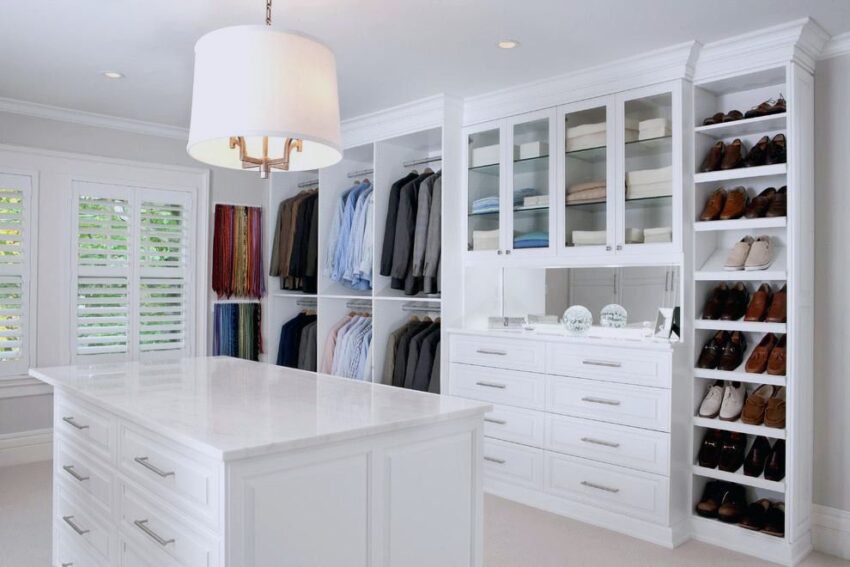
A wardrobe closet is a dedicated storage space large enough for a person to enter. Unlike traditional reach-in wardrobes, it provides additional room for shelving, hanging rails, drawers, shoe storage, and accessories.
The size and configuration can vary significantly. Some walk-in closets resemble small dressing rooms, while others are compact spaces designed around efficient storage.
A successful design should balance appearance, accessibility, and available space.
Benefits of a Walk-In Closet
One of the biggest advantages is improved organization. Instead of keeping clothes in several wardrobes or drawers, homeowners can bring different categories together in one location.
Benefits can include:
- Better clothing organization
- Easier access to belongings
- More storage capacity
- Reduced bedroom clutter
- Dedicated shoe storage
- Improved visibility
- Space for accessories
- A more attractive bedroom environment
A thoughtfully designed closet can also make daily routines more efficient.
Planning the Layout
The layout should be the first consideration when designing a walk-in closet. Start by measuring the available space and identifying doors, windows, electrical outlets, and other architectural features.
Think about how the space will be used.
Will it primarily store hanging clothes? Do you need drawers for folded clothing? Will shoes require dedicated shelving? Do you want a dressing area or mirror?
Answering these questions helps determine the most efficient arrangement.
Hanging Storage
Hanging space is an essential component of most walk-in closets.
Consider dividing clothing according to length and frequency of use. Shirts, jackets, and shorter garments can be placed on shorter hanging rails, while dresses, coats, and longer garments require additional vertical space.
Double-hanging sections can maximize storage by using vertical space efficiently.
Shelving and Drawers
Open shelving makes frequently used items easy to see and access. It can be useful for folded sweaters, handbags, boxes, and accessories.
Drawers provide concealed storage and are particularly useful for:
- Underwear
- Socks
- T-shirts
- Jewelry
- Small accessories
- Personal items
A combination of open shelves and drawers often provides a practical balance between visibility and organization.
Shoe Storage
Shoes can quickly consume valuable closet space if they are not organized properly.
Dedicated shoe shelves, pull-out racks, cubbies, and angled displays can help keep footwear organized.
Arrange frequently worn shoes at accessible heights and less frequently used pairs in higher or lower storage areas.
Accessory Organization
Small accessories require thoughtful storage because they can easily become misplaced.
Consider dedicated solutions for:
- Belts
- Scarves
- Ties
- Watches
- Jewelry
- Handbags
- Sunglasses
Pull-out organizers and small compartments can make these items easier to locate.
Choosing Materials
Materials influence both appearance and durability. Popular choices include engineered wood, laminate, wood veneer, glass, metal, and high-quality cabinetry materials.
Neutral finishes can create a timeless appearance, while natural wood tones can provide warmth.
Glass-front cabinets can add a premium look while allowing users to see stored items.
Lighting Matters
Good lighting is essential in a walk-in closet.
A poorly lit closet can make it difficult to distinguish colors and find clothing.
Consider combining:
- Ceiling lighting
- LED strip lighting
- Shelf lighting
- Cabinet lighting
- Mirror lighting
Motion-activated lighting can also be convenient because lights turn on automatically when someone enters.
Mirrors and Dressing Areas
A full-length mirror can be a valuable addition. It allows homeowners to evaluate outfits without leaving the closet.
If space permits, consider creating a small dressing area with a bench or chair.
A comfortable seating area can also make it easier to put on shoes.
Color and Design
The color scheme can influence how spacious the closet feels.
Light colors often make smaller spaces appear brighter and more open. White, cream, light gray, and soft neutral shades can create a clean appearance.
Dark finishes can create a luxurious atmosphere but may work best when combined with strong lighting.
Making a Small Closet Feel Larger
Not every home has enough space for a large dressing room. Fortunately, smaller walk-in closets can still be highly functional.
Use vertical storage to maximize wall space. Adjustable shelving allows the system to change as storage needs evolve.
Mirrors and light-colored finishes can also create the visual impression of greater space.
Avoid overcrowding the floor area with unnecessary furniture.
Smart Organization Strategies
Organization becomes easier when belongings are grouped logically.
Possible categories include:
- Work clothing
- Casual clothing
- Formal wear
- Seasonal clothing
- Sportswear
- Shoes
- Accessories
Within each category, items can be arranged by color, frequency of use, or garment type.
The best system is one that matches your daily habits.
Seasonal Storage
Seasonal clothing can take up considerable space. Consider placing winter coats and heavy clothing in less accessible areas during warmer months.
Storage boxes and labeled containers can keep seasonal items organized without taking up prime closet space.
When seasons change, rotate the contents so frequently used clothing remains easy to reach.
Keeping the Closet Organized
Even the best closet design requires regular maintenance.
Every few months, review your belongings and remove items that are damaged, unused, or no longer suitable.
Avoid allowing the closet to become a place where unwanted items accumulate.
A simple organization routine can keep the space functional throughout the year.
Custom vs. Ready-Made Systems
Homeowners generally have two main options: custom cabinetry or modular storage systems.
Custom solutions can maximize unusual spaces and provide highly personalized features. However, they may cost more.
Modular systems can be more affordable and flexible, making them suitable for homeowners who want an organized closet without extensive renovation.
Adding Personal Style
A walk-in closet can reflect the overall style of the home.
Decorative hardware, elegant lighting, artwork, rugs, mirrors, and carefully selected finishes can make the room feel more personal.
However, decoration should not interfere with storage functionality.
Conclusion
A well-planned walk in closets can improve organization, simplify daily routines, and add style to a home. From hanging rails and shelving to shoe storage, lighting, mirrors, and accessories, every element can contribute to a more functional space.
The key is to plan around your belongings and lifestyle rather than simply filling the room with cabinets. Whether you choose a custom design or a modular system, thoughtful organization can turn a simple storage area into an efficient and attractive dressing space that remains useful for years to come.