
Table of Contents
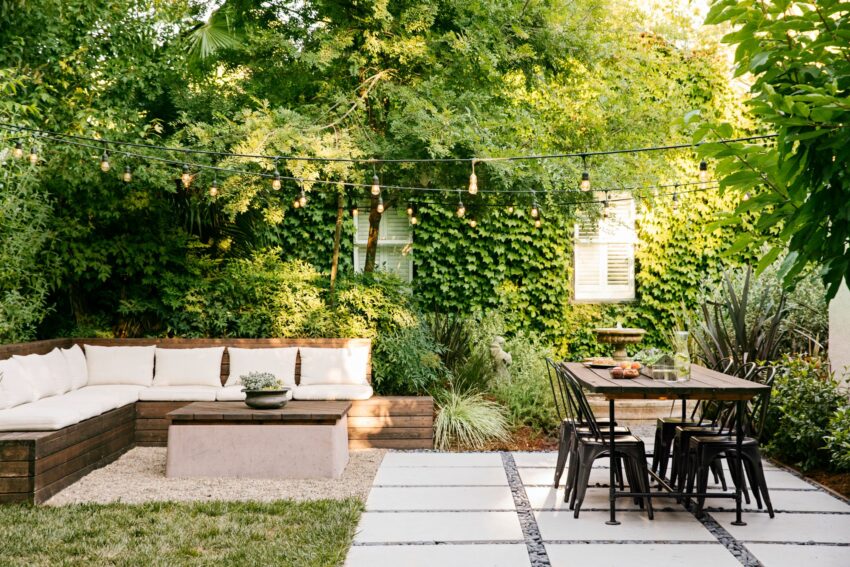
A paver patio is one of the most popular and versatile upgrades homeowners choose for enhancing outdoor living spaces. Combining durability, aesthetic appeal, and design flexibility, paver patios create a functional and inviting area for relaxation, entertaining, and everyday enjoyment. Whether you envision a cozy backyard retreat or a large entertainment hub, a well-designed paver patio can transform your outdoor environment and add lasting value to your property.
What Is a Paver Patio?
A paver patio is an outdoor surface constructed using individual paving units—commonly made from concrete, brick, or natural stone—laid in a specific pattern over a prepared base. Unlike poured concrete slabs, paver patios consist of separate pieces that interlock, allowing for natural movement and reducing the risk of cracking over time. This structural advantage makes pavers particularly suitable for areas exposed to temperature changes and heavy use.
Benefits of a Paver Patio
One of the primary reasons homeowners choose paver patios is their exceptional durability. High-quality pavers are designed to withstand heavy foot traffic, furniture weight, and varying weather conditions. If a paver becomes damaged or stained, it can be individually replaced without disturbing the surrounding area, making maintenance straightforward and cost-effective.
Aesthetic versatility is another major benefit. Pavers are available in a wide range of colors, textures, shapes, and sizes, allowing homeowners to customize the look of their patio to match their home’s architectural style and landscape design. From rustic cobblestone patterns to sleek, modern layouts, the design possibilities are nearly endless.
Additionally, paver patios offer excellent drainage capabilities. The joints between pavers allow water to pass through, reducing pooling and minimizing erosion. Permeable paver options further enhance drainage by allowing rainwater to seep into the ground, supporting environmentally friendly landscaping practices.
Popular Paver Materials
Choosing the right material is a key step in designing a paver patio:
- Concrete pavers are the most common option due to their affordability and design flexibility. They can be manufactured to mimic natural stone or brick while offering consistent sizing and color.
- Brick pavers provide a classic, timeless appearance and are known for their strength and rich color tones. They work especially well with traditional and historic homes.
- Natural stone pavers, such as flagstone, limestone, or travertine, offer a unique, high-end look. Each stone has natural variations, creating an organic and elegant aesthetic.
Each material has its own maintenance needs, cost considerations, and visual appeal, so selection should align with both budget and design goals.
Design Options and Patterns
One of the most exciting aspects of a paver patio is design customization. Pavers can be arranged in various patterns such as herringbone, basket weave, running bond, or random layouts. The pattern chosen can influence both the visual impact and structural strength of the patio. For example, herringbone patterns provide excellent interlocking strength, making them ideal for high-traffic areas.
Borders and accents can further enhance the design. Contrasting colors or textures can define edges, create visual interest, or highlight specific areas such as seating zones or fire pits. Integrating curves, steps, and multiple levels adds depth and character, turning a simple patio into a dynamic outdoor living space.
Installation Process
Proper installation is critical to the longevity of a paver patio. The process typically begins with site excavation to remove soil and create space for the base layers. A compacted gravel base is then installed to provide stability, followed by a layer of bedding sand. The pavers are carefully placed according to the chosen pattern and secured with edge restraints to prevent shifting.
Once the pavers are set, joint sand—often polymeric sand—is swept into the gaps and activated with water to lock the pavers in place. This final step helps prevent weed growth and insect intrusion while maintaining flexibility.
While some homeowners attempt DIY installations, professional installation ensures proper grading, drainage, and compaction, which are essential for long-term performance.
Maintenance and Care
Paver patios are relatively low-maintenance compared to other outdoor surfaces. Routine sweeping and occasional rinsing with water are usually sufficient to keep the surface clean. For tougher stains, mild detergents or specialized paver cleaners can be used.
Sealing the pavers is optional but recommended. A high-quality sealer enhances color, protects against stains, and reduces the effects of weathering. Resealing every few years can help maintain the patio’s appearance and extend its lifespan.
Enhancing Outdoor Living
A paver patio serves as a foundation for additional outdoor features. Fire pits, outdoor kitchens, pergolas, seating walls, and water features can be seamlessly integrated into the design. These additions transform the patio into a multifunctional space for gatherings, relaxation, and entertainment.
Lighting is another important element. Low-voltage landscape lighting embedded along edges or pathways enhances safety and ambiance, allowing the patio to be enjoyed well into the evening.
Value and Longevity
Investing in a paver patio not only improves daily enjoyment but also increases property value. Buyers often view professionally installed paver patios as a premium feature due to their durability and visual appeal. With proper installation and maintenance, a paver patio can last decades, making it a cost-effective long-term investment.
Conclusion
A paver patio is a versatile, durable, and visually appealing solution for creating an inviting outdoor living space. With a wide range of materials, patterns, and design options, it can be customized to suit any style or function. Whether you’re upgrading your backyard for entertaining or seeking a peaceful retreat, a paver patio provides a strong foundation for outdoor living that combines beauty, practicality, and lasting value.