
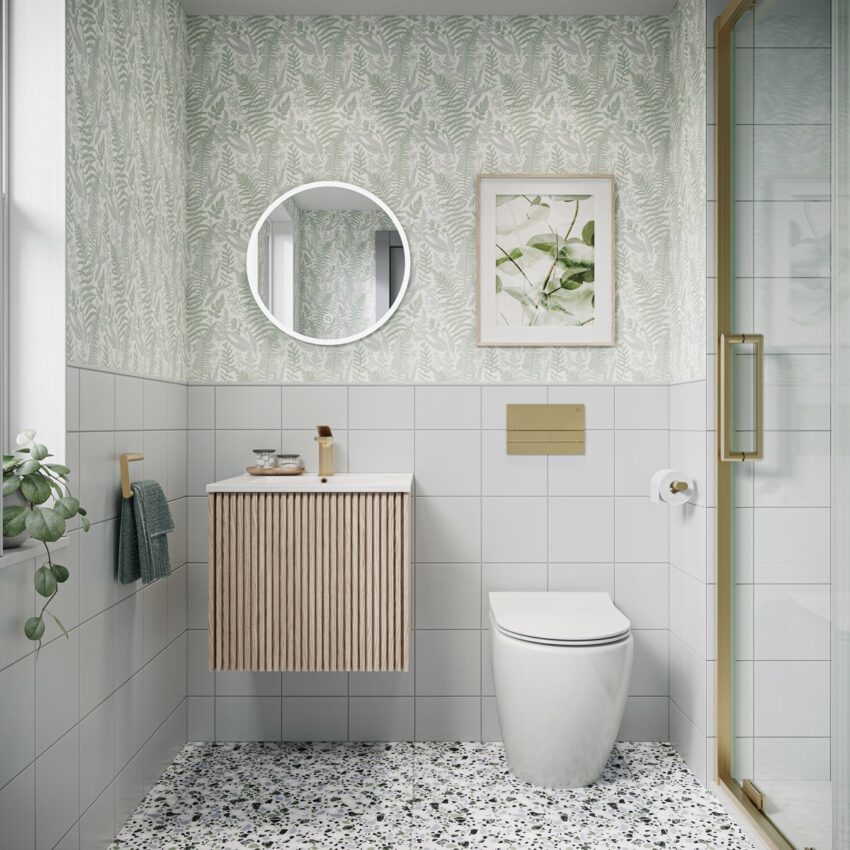
When it comes to home renovations, the bathroom often presents the biggest challenge, particularly when you’re working with limited square metreage. Whether you live in a Victorian terrace, a modern flat, or a compact new build, a small bathroom doesn’t have to mean compromising on style or functionality. With thoughtful planning and clever design choices, even the most modest bathroom can become a practical and beautiful space.
Understanding Your Space
Before making any decisions, take time to properly assess your bathroom. Measure the room carefully, noting the positions of existing plumbing, windows, and doors. Understanding these fixed elements will help you identify opportunities and constraints. Consider how the door opens. Could switching to a sliding door or one that opens outwards free up valuable floor space? Is there unused vertical space you could utilise for storage?
Many homeowners overlook the potential of awkward corners or the area above the toilet. These spots, whilst challenging, often hold the key to maximising your bathroom’s functionality.
Choosing the Right Sanitaryware
The fixtures you select can make or break a small bathroom design. Wall hung toilets and basins are excellent choices for compact spaces, as they create the illusion of more floor space and make cleaning easier. The visible floor area tricks the eye into perceiving a larger room.
Consider a corner basin if your bathroom layout allows. These clever designs make use of space that might otherwise go to waste. Alternatively, a slim line basin unit can provide essential storage whilst maintaining a minimal footprint. Basin units with integrated storage are particularly valuable, offering a place to tuck away toiletries and cleaning supplies that might otherwise clutter your limited worktop space.
When it comes to bathing options, don’t assume a small bathroom automatically rules out a bath. Compact baths, typically 1500mm or 1600mm in length, can fit comfortably in smaller rooms. Alternatively, a well designed shower enclosure can be both space efficient and luxurious. Quadrant enclosures work particularly well in corners, whilst walk in shower panels can create a sleek, open feel.
Smart Storage Solutions
Storage is often the biggest headache in a small bathroom, but there are numerous ways to incorporate it without overwhelming the space. Wall hung cabinets and tall units make excellent use of vertical space. A narrow tall unit can slot into spaces as slim as 300mm wide, providing surprising amounts of storage.
Recessed shelving built into stud walls offers storage without protruding into the room. If your bathroom layout permits, consider a recessed medicine cabinet with a mirrored door. It serves double duty whilst taking up no floor space whatsoever.
Don’t neglect the area around your bath or shower. Bath panels with integrated storage, corner caddies, and wall mounted dispensers keep essentials within reach without cluttering surfaces.
Colour and Light: Creating the Illusion of Space
Your colour palette plays a crucial role in how spacious your bathroom feels. Light, neutral tones such as whites, soft greys, and pale blues reflect light and create an airy atmosphere. This doesn’t mean your bathroom must be bland. You can introduce personality through accessories, textiles, and accent features.
Large format tiles can make a small bathroom appear more spacious by reducing the number of grout lines, which creates a cleaner, less busy appearance. Continuing the same tiles from floor to wall can blur boundaries and make the space feel more cohesive and larger.
Lighting deserves careful consideration. A single overhead light rarely provides adequate illumination. Layer your lighting with a combination of ceiling lights, wall mounted fixtures, and mirror lighting. Well lit spaces always feel more open and welcoming.
Mirrors and Glass: Your Secret Weapons
Mirrors are perhaps the most effective tool for making a small bathroom feel larger. A generously sized mirror above the basin reflects light and creates depth. If possible, position your mirror to reflect a window or light source, amplifying the natural light in the room.
Glass shower screens, rather than shower curtains, maintain sightlines across the room and prevent the space from feeling chopped up. Frameless glass creates an even more seamless look, allowing the eye to travel uninterrupted through the space.
Modern Alternatives to Traditional Materials
Waterproof wall panels have become increasingly popular in recent years, and for good reason. These panels offer several advantages over traditional tiles, particularly in small bathrooms. They’re quick to install, require minimal maintenance, and create a seamless look with fewer joints. The large panel format can make walls appear taller and the room more spacious.
Available in numerous finishes, from marble effects to contemporary concrete looks, these panels allow you to achieve high end aesthetics without the complexity and cost of natural materials. They’re also an excellent choice if you’re working to a tight timeline, as installation is considerably faster than tiling.
Flooring Considerations
Your flooring choice impacts both the practical function and visual appeal of your bathroom. Luxury vinyl flooring has become a popular choice for bathrooms, offering water resistance, comfort underfoot, and a wide range of designs. Wood effect vinyl can add warmth to a small space without the maintenance concerns of real wood.
If you prefer tiles, consider running them diagonally. This classic design trick draws the eye across the room and can make the space feel wider. Ensure your flooring choice continues under sanitaryware where possible. This continuity makes the room appear larger than if different materials break up the floor space.
Heating and Ventilation
Don’t overlook the practical elements. Adequate ventilation is essential in any bathroom, but particularly in smaller spaces where moisture can quickly become problematic. An efficient extractor fan prevents condensation, protecting your décor and preventing mould growth.
Heated towel rails serve double duty, providing warmth and a place to dry towels. Vertical designs work well in compact bathrooms, taking up minimal wall space whilst providing ample hanging room.
Planning Your Project
Transforming a small bathroom requires careful planning. Visit a showroom where you can see products in person and discuss your specific requirements with knowledgeable staff. Seeing sanitaryware, tiles, and finishes in real life helps you make confident decisions about what will work in your space.
Consider the installation process carefully. Whilst DIY might seem cost effective, bathroom fitting requires specialist skills, particularly when dealing with plumbing and waterproofing in tight spaces. Working with experienced bathroom fitters ensures everything functions correctly and looks polished, giving you peace of mind that your investment is protected.
Making It Happen
A small bathroom renovation is an investment in your daily comfort and your property’s value. Bathrooms and kitchens consistently rank as the home improvements that offer the best return on investment, making thoughtful design choices even more worthwhile.
With the right approach, your compact bathroom can become a space you genuinely enjoy using, proof that good design isn’t about the size of the room, but how cleverly you use the space you have.
If you’re considering a bathroom renovation, consulting with professional bathroom specialists can help you navigate the options and create a design that maximises every centimetre of your space whilst staying within your budget.