
Table of Contents
As people age or experience mobility challenges, navigating stairs can become one of the most difficult and dangerous parts of daily life. Slips and falls on staircases are a leading cause of injury, especially for seniors and individuals with limited mobility. Stair lifts offer a practical, reliable, and life-changing solution by restoring safe access to all levels of the home. Designed to enhance independence and comfort, stair lifts allow individuals to remain in the homes they love without sacrificing safety or quality of life.
This article explores what stair lifts are, how they work, their benefits, and why they are an excellent investment for homeowners and families.
What Is a Stair Lift?
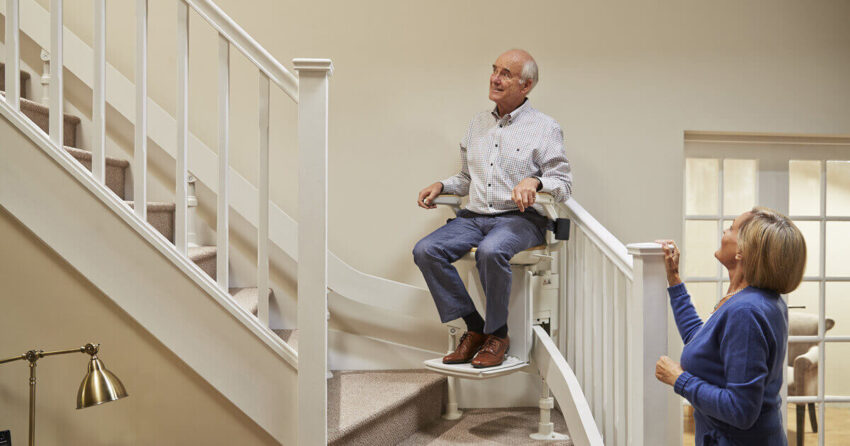
A stair lift is a mechanical chair or platform that travels along a rail mounted to a staircase. It allows a person to ride safely up and down stairs while seated or standing, depending on the model. Stair lifts are commonly installed in private homes but are also used in public and commercial spaces.
Modern stair lifts are designed to blend into home interiors while providing dependable performance. They can be installed on straight staircases, curved or spiral staircases, and even outdoor steps. Most installations require minimal structural modification and can often be completed in a single day.
Who Can Benefit from a Stair Lift?
Stair lifts are ideal for a wide range of individuals, including:
- Seniors who want to age in place safely
- People recovering from surgery or injury
- Individuals with arthritis, joint pain, or balance issues
- People with disabilities affecting mobility
- Caregivers seeking safer home environments
By eliminating the need to climb stairs, stair lifts significantly reduce physical strain and the risk of falls, making everyday life safer and more manageable.
Types of Stair Lifts
There are several types of stair lifts available, each designed to meet specific needs and staircase configurations.
Straight Stair Lifts
These are designed for staircases without curves or landings. Straight stair lifts are typically the most affordable option and can be installed quickly.
Curved Stair Lifts
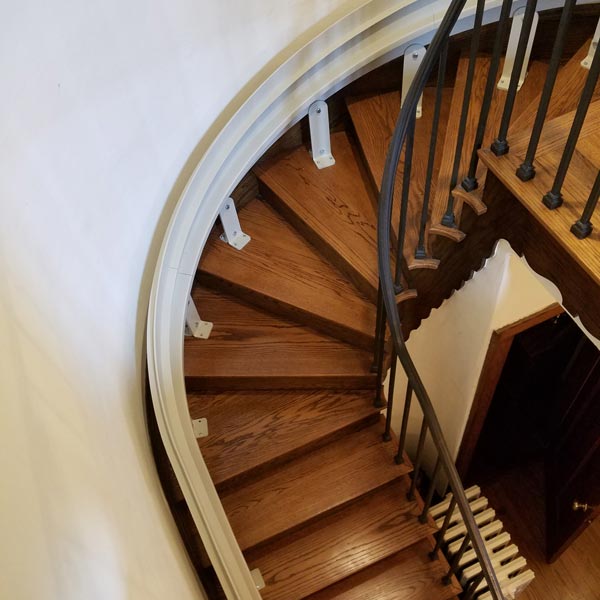
Curved stair lifts are custom-built to follow staircases with curves, turns, or intermediate landings. Although more complex, they provide seamless travel on uniquely shaped staircases.
Outdoor Stair Lifts
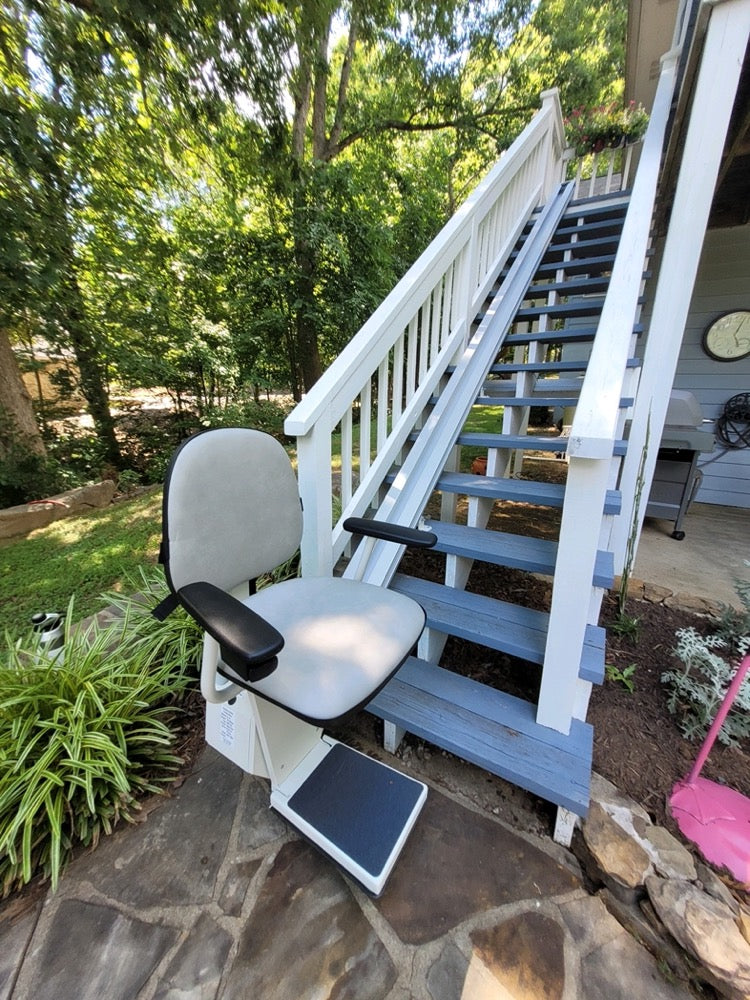
Outdoor stair lifts are built with weather-resistant materials and protective covers. They are ideal for porches, decks, and exterior staircases, ensuring safe access regardless of weather conditions.
Standing and Perch Stair Lifts
For users who have difficulty bending their knees or sitting fully, standing or perch stair lifts provide an alternative riding position while still offering stability and safety.
Key Benefits of Stair Lifts
Enhanced Safety
The primary benefit of a stair lift is safety. Stair lifts reduce the risk of falls by providing a secure, controlled way to move between floors. Most models include seat belts, safety sensors, and smooth start-and-stop mechanisms.
Increased Independence
Stair lifts empower users to move freely throughout their homes without relying on assistance from others. This independence boosts confidence and preserves dignity.
Comfort and Ease of Use
Modern stair lifts are designed with user comfort in mind. Padded seats, armrests, footrests, and intuitive controls make operation simple and enjoyable. Many models use quiet motors and battery backup systems to ensure operation during power outages.
Aging in Place
For many homeowners, relocating to a single-level home or assisted living facility can be emotionally and financially challenging. Stair lifts allow individuals to age in place safely, maintaining familiarity and comfort in their own homes.
Installation and Customization
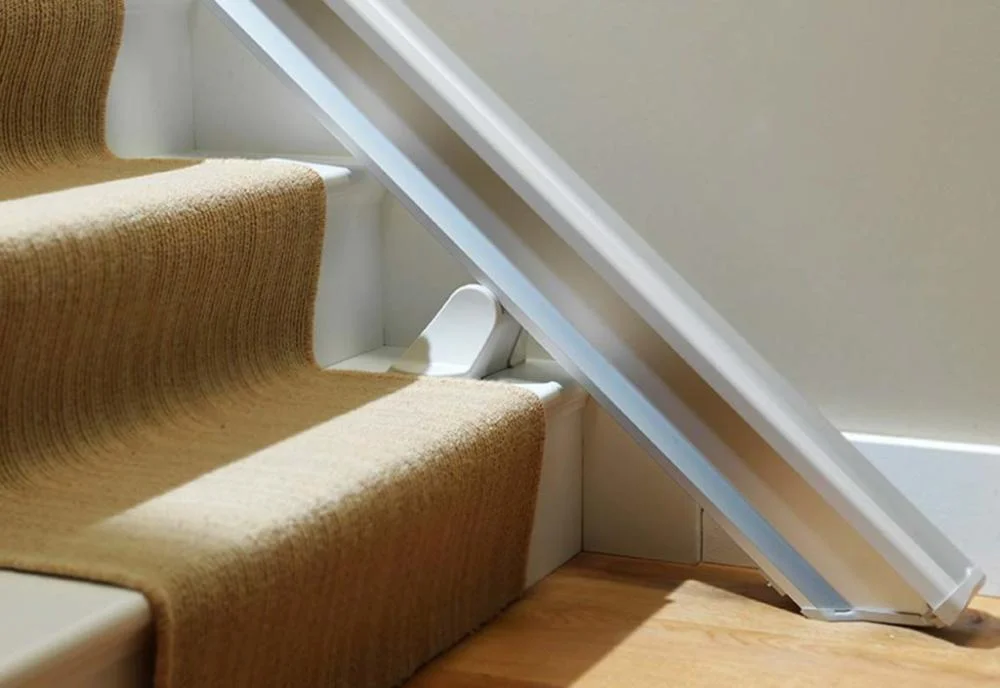
Stair lift installation is typically fast and minimally invasive. Rails are mounted to the stair treads—not the wall—ensuring structural integrity is preserved. Professional installers measure the staircase precisely to ensure smooth operation and proper fit.
Customization options often include:
- Seat size and style
- Upholstery color
- Folding seats and footrests
- Swivel seats for easy entry and exit
- Remote controls
These features ensure the stair lift fits both the user’s needs and the home’s design.
Maintenance and Reliability
Stair lifts are built for long-term reliability with minimal maintenance. Routine inspections and occasional servicing help ensure smooth operation and extend the lifespan of the unit.
Most stair lifts operate on rechargeable batteries, automatically charging when parked. This design ensures functionality even during power outages—an essential feature for safety and peace of mind.
Cost Considerations and Value
The cost of a stair lift varies depending on the type of staircase, model, and customization options. While curved stair lifts are generally more expensive due to custom manufacturing, many homeowners find the investment worthwhile when compared to moving costs or ongoing care expenses.
Stair lifts provide long-term value by:
- Preventing costly fall-related injuries
- Delaying or avoiding assisted living placement
- Increasing home accessibility and usability
In some cases, financial assistance, grants, or insurance coverage may be available, depending on location and individual circumstances.

Improving Quality of Life
Beyond physical safety, stair lifts have a significant impact on emotional well-being. Regaining access to all areas of the home helps users stay engaged, active, and socially connected. It reduces anxiety related to navigating stairs and provides reassurance to family members and caregivers.
For caregivers, stair lifts ease daily responsibilities and reduce the risk of injury from assisting someone on stairs. This creates a safer and more supportive home environment for everyone.
Choosing the Right Stair Lift Provider
Selecting a reputable stair lift provider is essential. Look for companies that offer professional assessments, certified installation, warranties, and ongoing support. A trusted provider will guide you through the selection process and ensure the stair lift meets safety standards and personal needs.
Conclusion
Stair lifts are a proven, practical solution for overcoming mobility challenges at home. By enhancing safety, independence, and comfort, they allow individuals to continue living confidently in multi-level homes. With a variety of designs, customization options, and reliable performance, stair lifts adapt to nearly any staircase and lifestyle.
For homeowners seeking a long-term solution that supports aging in place and improves quality of life, stair lifts are more than a convenience—they are an investment in safety, dignity, and peace of mind.